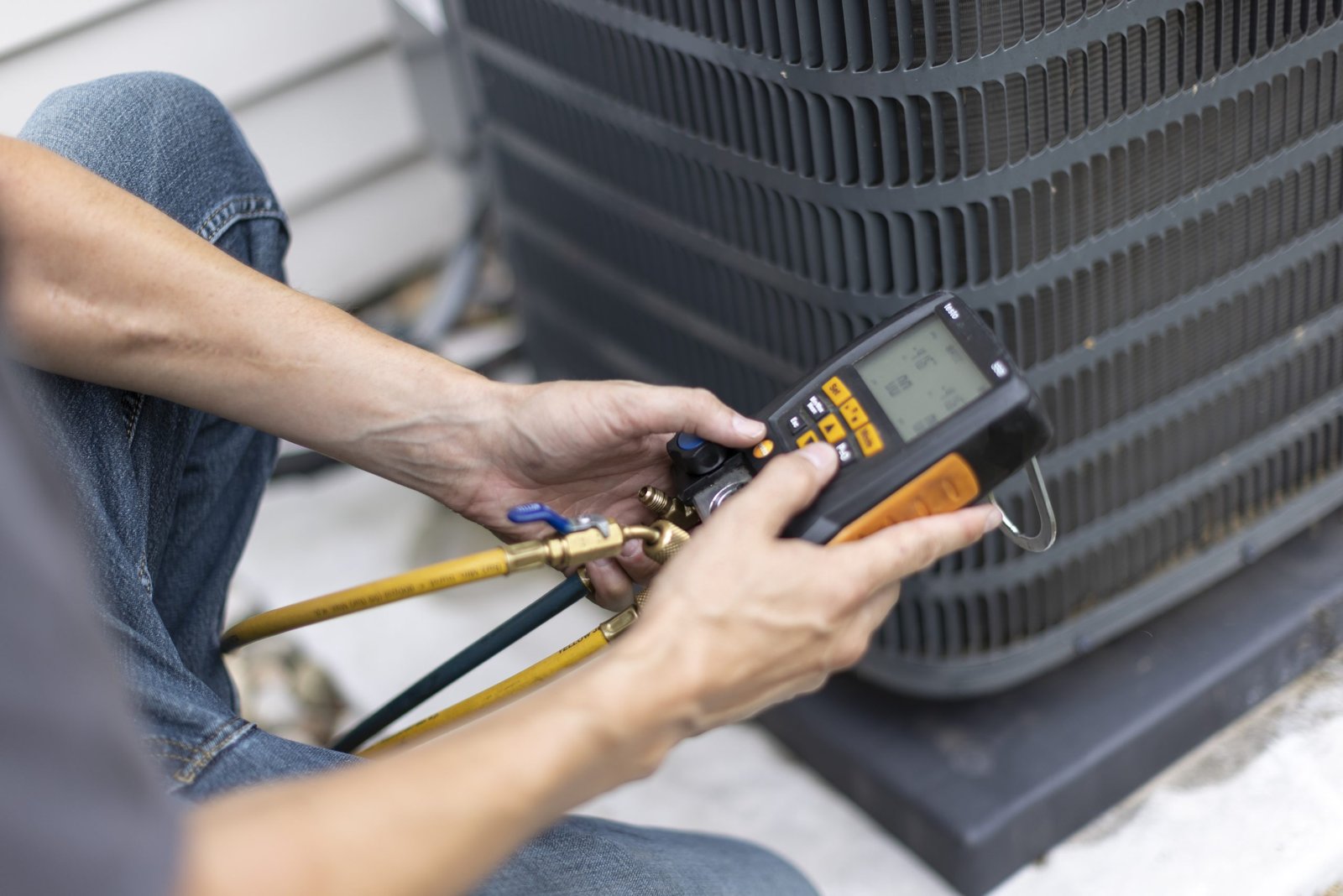
How to Maintain Your AC During Saudi Arabia's Summer
Practical summer AC habits for Saudi heat, dust and coastal humidity: filters, outdoor clearance, sensible setpoints and timely professional service visits.
Saudi summer asks an air conditioner to operate through extreme heat, airborne dust and long daily schedules. Good maintenance is not about constantly adjusting technical components. It is a combination of simple occupant habits, clean airflow, sensible settings, safe outdoor clearance and professional checks timed before small problems become peak-season failures.
Begin With Filters and Airflow
Filters are the maintenance point most households can manage safely. Check accessible filters regularly during heavy cooling months, particularly after dust storms, nearby construction or periods when doors are frequently open. A clogged filter reduces airflow, makes the unit run longer and may contribute to evaporator icing.
Wash only filters designed to be washable, follow the equipment instructions and reinstall them when fully dry. Disposable filters should be replaced with the correct dimensions and suitable type. Do not operate the AC without a filter; dust can then settle directly on the coil and blower.
- Switch the unit off before removing an accessible filter
- Check for tears, distortion and heavy embedded dirt
- Allow washable filters to dry completely
- Keep return grilles and supply outlets unobstructed
- Record filter dates when the property has many units
If airflow remains weak after filter care, internal coil or fan cleaning may be needed. Arrange careful AC cleaning rather than spraying chemicals or high-pressure water into electrical areas.
Give the Outdoor Unit Space to Reject Heat
The condenser releases indoor heat into outdoor air. That task becomes harder when the ambient temperature is already very high. Remove loose rubbish, leaves and stored objects around the unit while keeping a safe distance from electrical and moving parts. Decorative screens must not trap discharged hot air or block service access.
Fine dust accumulates on condenser fins, but aggressive cleaning can bend them or push water into controls. Do not use a pressure washer. Professional coil cleaning is appropriate when dirt is embedded, access is unsafe or performance is declining. Rooftop units require particular caution because of heat, height and electrical risks.
Use a Sensible Setpoint
Setting the thermostat to its minimum does not make a fixed-capacity AC cool the room faster. It simply asks the system to keep operating toward a lower target. Choose a stable setting that feels comfortable, use sleep or scheduling functions where appropriate, and avoid repeated large adjustments.
Help the AC by reducing avoidable heat gains. Close doors and windows, use curtains or shading on sun-exposed glass and limit unnecessary exhaust airflow. Seal obvious gaps where hot, dusty outdoor air enters. In rooms not being used, apply controls in a way that fits the system; do not close many central-system outlets without understanding the effect on airflow and pressure.
Watch Condensate Drainage
Cooling removes moisture from indoor air. That water should flow through a drain without entering ceilings or walls. Coastal cities such as Jeddah and Dammam can produce more condensate because of high humidity, while drain blockages can occur anywhere from dust, biofilm or poor slope.
Look for indoor dripping, damp smells, stains, overflowing drain outlets or water appearing after the unit stops. A frozen coil can also release a large amount of meltwater. Do not ignore a small drip near finished surfaces; investigate it through AC leaking water service before damage spreads.
Listen for Changes, Not Normal Operation
Fans, refrigerant flow and compressors make some sound during normal starts and stops. Maintenance means learning the usual pattern and noticing a new rattle, buzz, scrape, squeal or heavy vibration. Loose panels may be minor, but motor bearings, fan contact and electrical buzzing require prompt attention.
- Stop the AC if a harsh grinding or metal-contact sound begins
- Switch it off if noise comes with a burning smell or smoke
- Note whether sound comes from the indoor or outdoor unit
- Record whether it occurs at startup, continuously or at shutdown
Do not reach into a running unit to locate a sound. Use AC making noise diagnosis when the source is unclear.
Recognize Cooling Changes Early
A room that takes progressively longer to cool is giving useful warning. First confirm cool mode, a sensible setpoint, clean filters and open airflow paths. Then observe whether the outdoor unit runs and whether ice appears on piping. Long runtime can result from extreme heat and building load, but a marked change from normal deserves inspection.
Do not assume weak cooling means the AC needs gas. Refrigerant is contained in a sealed circuit and should not be treated as a seasonal consumable. Dirty coils, fan faults, sensors and electrical components can mimic low charge. If refrigerant is actually low, leak awareness should be part of AC gas refill work.
Schedule Professional Maintenance Before Peak Demand
The best time for a preventive visit is before the equipment is under maximum summer stress. A professional can inspect coil condition, drainage, fan operation, electrical connections, controls and overall cooling performance. Central and ducted systems may also need filter, belt, damper, duct and thermostat checks depending on design.
Keep a record of service findings instead of relying on memory. Note which units were cleaned, which parts need monitoring and whether a repair was recommended. For a planned approach, consider annual AC maintenance, then adjust the schedule for runtime, dust exposure and property type.
A Weekly Summer Awareness Routine
- Notice whether rooms cool at their usual rate
- Look at accessible filter condition
- Check for water, stains or damp odours
- Listen for new vibration or electrical buzzing
- Keep indoor and outdoor airflow paths clear
- Report problems before the next extreme-heat period
This quick review is not a technical service. It helps you notice changes early while leaving electrical, refrigeration and internal cleaning work to trained personnel. If a system fails completely during severe weather or creates an immediate safety or water risk, seek emergency AC repair.
Keep Maintenance Practical
The strongest summer routine is simple: care for filters, reduce unnecessary heat gain, keep condensers clear, use steady settings, watch drains and arrange professional work before peak operation. These habits support comfort without pretending every fault can be prevented or repaired at home.
To arrange a summer inspection for your home or workplace, contact Namaa HVAC with your city, system type and any changes you have noticed.
Frequently Asked Questions
What is the most important summer habit?
Keep filters clean enough for healthy airflow, and do not ignore new drips, noises or weak cooling until the next calendar date.
Should I set the thermostat extremely low?
Very low setpoints often increase runtime without proportional comfort gains and can stress equipment. Use a realistic setpoint and address root causes of warm rooms.
How often should outdoor units be checked?
Visually check clearance and heavy dust buildup periodically during peak months. Professional coil cleaning should be done carefully when needed.
Do coastal homes need different summer care?
Humidity can increase condensate volume and drain sensitivity. Watch for early leaks and keep drains clear in addition to filter care.
When should I call a technician mid-summer?
Call if cooling collapses, ice forms, breakers trip, water overflows, or outdoor noise changes suddenly—especially in occupied spaces.
Need AC Service? Get in Touch Today
Tell us about your AC issue and we will get back to you promptly.
- Call +966 12 345 67890
- Email info@namaahvac.com
- Hours Saturday – Thursday: 8:00 AM – 10:00 PM | Friday: 2:00 PM – 10:00 PM
- Service Areas Riyadh, Jeddah, Dammam, Khobar, Mecca, Medina & major cities across KSA