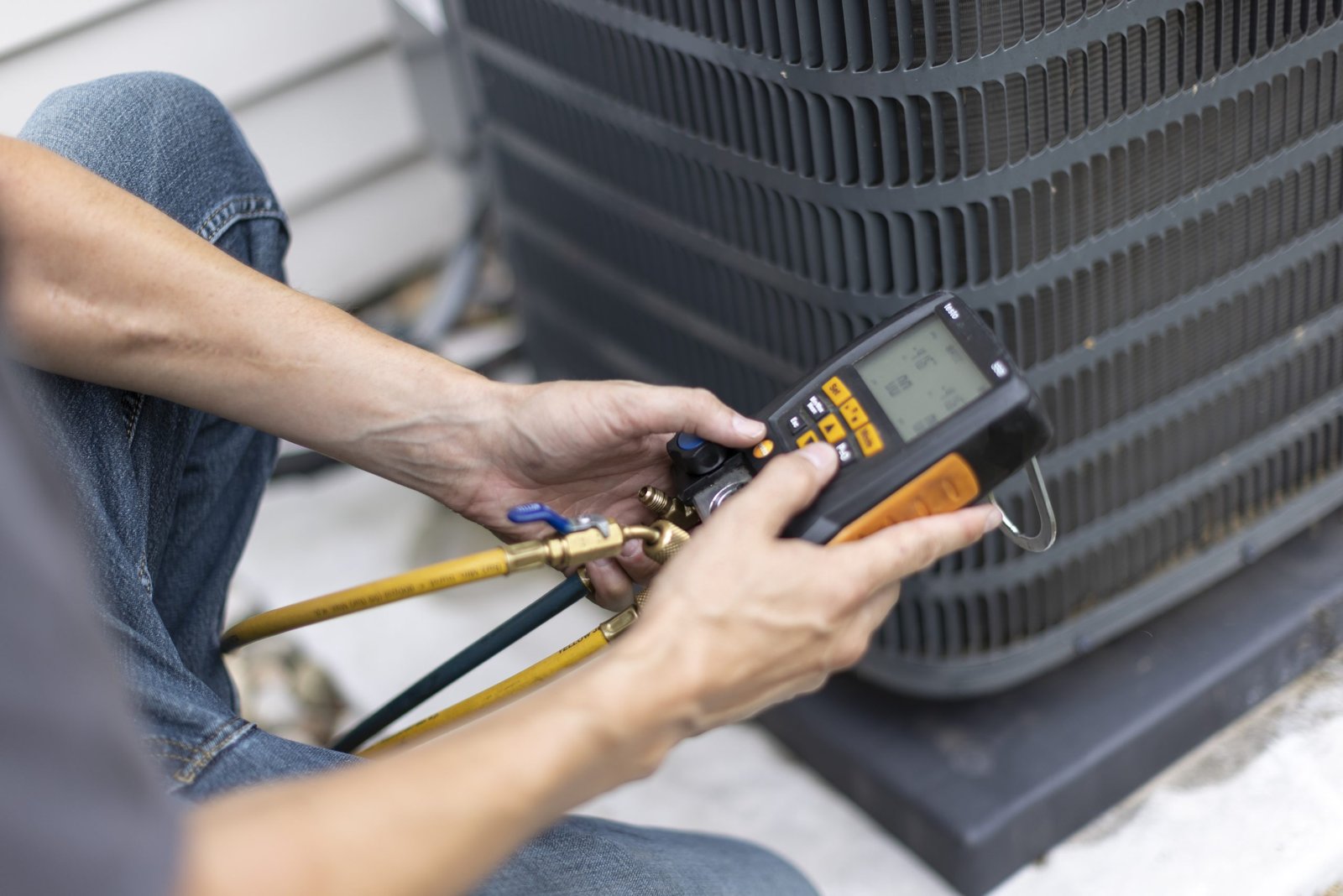
Best AC System for Offices in Saudi Arabia
Office cooling priorities in Saudi heat: zoning, service access, operating hours and maintainable equipment choices that support comfortable daily work.
The best AC system for an office in Saudi Arabia is the one that keeps occupied zones comfortable at peak heat, supports ventilation, allows practical maintenance, and responds efficiently when only part of the office is in use. That answer may be split units, ducted splits, packaged units, VRF, or a larger central solution. Choosing well starts with how the workplace operates, not with a preferred equipment name.
Begin With the Office, Not the Catalogue
A load calculation should account for orientation, glass, insulation, lighting, people, computers, printers, fresh air, door opening, and the relevant outdoor conditions. Floor area rules of thumb miss important differences. A west-facing meeting room full of people behaves differently from an internal corridor, even if both have the same dimensions.
Document normal hours, early arrivals, late teams, weekend use, and rooms that operate independently. Saudi offices may need cooling for long daytime periods and occasionally after hours. A system that must condition the whole floor for one small team wastes flexibility and can create control problems.
- List every room, occupancy level, and usual schedule
- Identify high solar gain and high equipment-load zones
- Record fresh-air and exhaust requirements
- Reserve safe access for filters, drains, coils, and controls
- Check peak-temperature capacity and outdoor-unit placement
- Define acceptable noise for meeting and focus rooms
- Plan for future partitions, team growth, and fit-out changes
Split AC: Simple Control for Small Offices
Wall-mounted split units can suit small offices with a few rooms. They offer direct room control, relatively straightforward installation, and fault isolation: one failed unit does not necessarily stop cooling everywhere. Filters are usually accessible, which helps in dusty conditions if staff follow a cleaning routine.
Limitations include several outdoor units, visible indoor equipment, individual remote controls, and no automatic solution for fresh air. Placement must avoid blowing directly onto desks. Drain routes and external appearance also need coordination. A qualified split AC installation should include load selection, pipework, drainage, electrical protection, evacuation, and testing.
Ducted Split and Packaged Systems
Ducted systems hide the indoor equipment and distribute air through grilles. They can serve open-plan areas neatly and introduce ventilation through a designed air path. Packaged rooftop units may suit larger single zones or retail-style offices where roof space and duct routes are available.
One thermostat serving diverse rooms can be a weakness. Solar exposure and occupancy change through the day, so a meeting room may overheat while an open office is comfortable. Zoning dampers or separate units can help, but they must be designed with minimum airflow and control logic in mind. Ceiling and rooftop service access is essential.
VRF for Multiple Independent Zones
VRF systems can match offices with many rooms, varied schedules, and limited duct space. Multiple indoor units connect to modular outdoor equipment and adjust capacity according to demand. Centralized scheduling can prevent units running unnecessarily after staff leave, while local controls preserve room flexibility.
The design requires careful refrigerant piping, drainage, controls, room-volume safety checks, and commissioning. Technicians must understand the selected manufacturer's diagnostics. Ceiling access panels should reach branch components and indoor service points. Learn more about VRF installation and the detailed VRF versus central AC comparison.
Central Plant for Larger Office Buildings
Large buildings may justify chilled-water air handlers, multiple packaged units, or other central arrangements. These can serve substantial ventilation loads and integrate with building management controls. Mechanical rooms concentrate some maintenance, and properly divided air-handling systems can provide effective zoning.
Central infrastructure needs skilled operation, water-side care where applicable, replacement access, and planned redundancy. A single point of failure should not leave a critical office entirely without cooling. The exact central option matters more than the category, so compare complete designs through central AC installation.
Saudi Heat Changes Equipment Selection
Confirm that capacity and electrical data are suitable for realistic high ambient temperatures. An outdoor unit trapped in a hot recess or exposed to recirculated discharge air may underperform regardless of its nominal rating. Shade can help if it does not obstruct airflow or service clearances. Condenser cleaning access should be designed from the start because dust buildup reduces heat rejection.
In Riyadh, fine dust and intense dry heat influence filter and condenser schedules. In Jeddah, Dammam, and other coastal locations, humidity increases latent load, condensate volume, and corrosion concerns. Materials, drain design, insulation, and fresh-air treatment should reflect the city and site.
Ventilation Is Separate From Room Cooling
An office needs appropriate outdoor air and exhaust, but a wall split or VRF indoor unit mainly recirculates room air. The design must explain where fresh air comes from, how it is filtered and cooled, and how the building remains balanced. Poor ventilation can cause stuffiness even when temperature is low.
High-efficiency filters can increase resistance if the fan was not selected for them. In dusty environments, provide accessible filters and a realistic replacement plan. Indoor air quality decisions should be coordinated with the complete commercial HVAC design.
Service Access Is an Operating Requirement
Filters that cannot be removed, drain pans hidden above fixed ceilings, and outdoor units reached only through unsafe routes turn routine care into disruption. Review access panels, lighting, working clearance, roof paths, and component replacement routes before construction. Ask whether technicians can clean a coil without contaminating occupied desks.
Office management should know which tasks happen monthly, seasonally, and annually. Maintain an asset list and service history. Planned annual AC maintenance should be adjusted for runtime, dust exposure, and business importance rather than treated as one identical visit for every unit.
Controls Should Match Real Working Hours
Use schedules, occupancy logic where appropriate, sensible setpoint limits, and after-hours overrides. Controls should be easy enough for facility staff to understand. Locking every setting can create complaints, while unrestricted changes encourage simultaneous heating and cooling or extreme setpoints in neighboring rooms.
Place sensors away from direct sunlight, supply jets, hot equipment, and doors. Trend temperatures and calls for cooling if the control system allows it. Persistent issues may reveal incorrect zoning, excess loads, poor balancing, or equipment faults rather than employee preference.
How to Compare Proposals
Require bidders to state design conditions, room loads, ventilation quantities, zoning, selected capacities, sound levels, controls, access provisions, warranty responsibilities, and commissioning tests. Ensure every proposal includes the same scope.
The best system balances comfort, serviceability, operating pattern, resilience, and project constraints. For an office-specific recommendation, contact Namaa HVAC with your city, floor plan, occupancy, operating hours, and existing site conditions.
Frequently Asked Questions
What matters most for office AC selection?
Reliable comfort during occupied hours, sensible zoning, accessible filters and outdoor units, and a maintenance plan that matches dust and runtime.
Are splits good enough for small offices?
They can work for smaller footprints with clear outdoor placement. Larger or multi-zone offices often need more structured distribution or VRF-style zoning.
How do operating hours affect the system choice?
Long trading or shift hours increase runtime stress. Choose maintainable designs and schedule service before peak summer demand.
Should offices prioritize zoning?
Zoning helps unused areas avoid unnecessary cooling and supports different departmental loads, but controls must be understood by staff.
What is a common office cooling mistake?
Selecting equipment without planning filter access, drain routes or outdoor clearance, which creates repeated service pain later.
Need AC Service? Get in Touch Today
Tell us about your AC issue and we will get back to you promptly.
- Call +966 12 345 67890
- Email info@namaahvac.com
- Hours Saturday – Thursday: 8:00 AM – 10:00 PM | Friday: 2:00 PM – 10:00 PM
- Service Areas Riyadh, Jeddah, Dammam, Khobar, Mecca, Medina & major cities across KSA